Introduction
In today's educational atmospheres, the safety and well-being of kids is vital. As teachers, we play an important duty in guaranteeing that children are secure from various wellness dangers, consisting of extreme allergic reactions. Among the most critical tools in managing such emergency situations is the EpiPen. This write-up supplies a comprehensive guide on EpiPen management in children tailored particularly for instructors. The info laid out here not only covers the technical facets of making use of an EpiPen yet likewise covers Wagga Wagga CPR training programs essential first-aid procedures and approaches for constructing self-confidence among educators.
What is an EpiPen?
An EpiPen is a medical gadget used to supply a dose of epinephrine to individuals experiencing extreme allergies, referred to as anaphylaxis. Comprehending exactly how to use this gadget effectively can indicate the distinction in between life and death for a youngster struggling with allergies.
Why Educators Need to Be Prepared
Educators typically find themselves in circumstances where they should reply to medical emergencies including kids. Knowledge with EpiPen administration can significantly boost their ability to take care of these events effectively.
Importance of First Aid Training: HLTAID012 Qualification Australia
To confidently administer an EpiPen, educators ought to seek training under the HLTAID012 supply first aid in education training course. This accreditation furnishes them with essential abilities not only for utilizing an EpiPen however additionally for various other emergency treatment techniques appropriate in instructional settings.
Understanding Anaphylaxis: Signs and symptoms and Triggers
What Is Anaphylaxis?
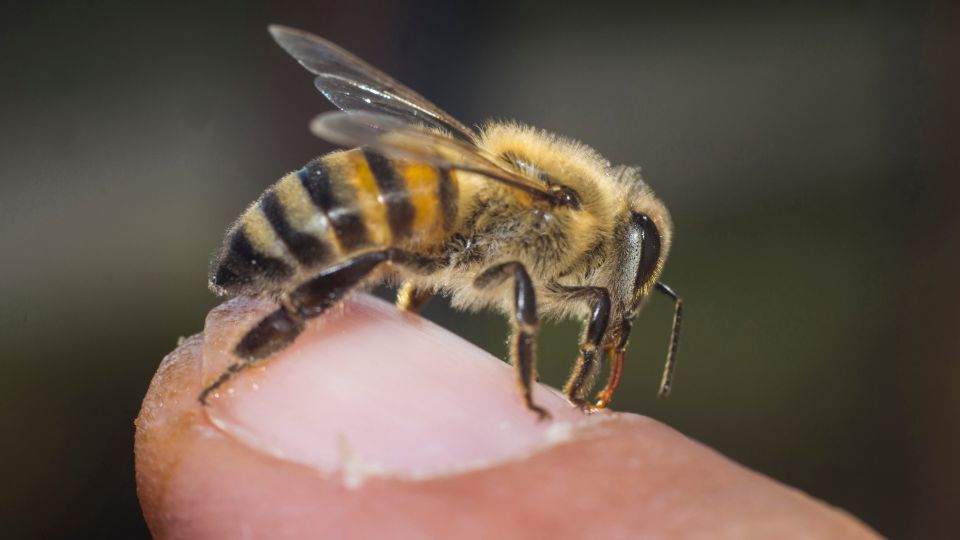
Anaphylaxis is a serious, potentially serious allergic reaction that can happen within mins after direct exposure to an allergen. Typical triggers consist of:
- Food (e.g., peanuts, tree nuts, shellfish) Insect stings Medications Latex
Recognising Bronchial asthma Symptoms
In addition to allergic reactions, several youngsters might struggle with bronchial asthma signs that can simulate or complicate anaphylactic reactions. It's crucial for instructors to be able to compare these conditions.
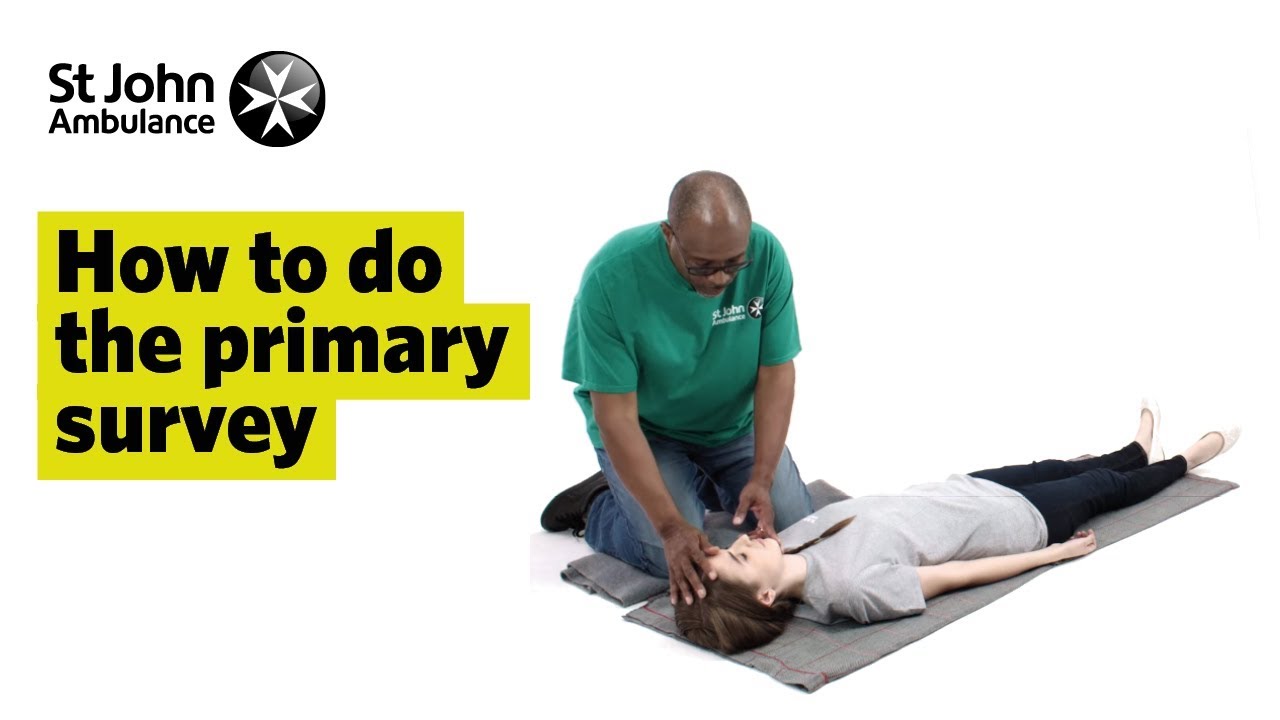
Major Indicators of Anaphylaxis
Recognising the indications early can conserve lives. Some crucial signs consist of:
Hives or rash Swelling of the face or throat Difficulty breathing Rapid heartbeat Dizziness or faintingThe Role of Educators in Emergency Response
Immediate Feedback Responsibilities
In instance a kid reveals signs of anaphylaxis, educators have to act quickly and decisively:
Call emergency situation services. Administer the EpiPen if available. Monitor the kid's condition up until aid arrives.Incident Coverage Protocols
Documenting incidents makes certain proper follow-up and compliance with safety and security policies within instructional institutions.
EpiPen Administration in Kid: A Step-by-Step Guide for Educators
Step 1: Acknowledge Symptoms
When you presume a youngster is having an allergic reaction, look for signs like trouble breathing or swelling.
Step 2: Retrieve the EpiPen
Make sure you recognize where EpiPens are stored within your center; they should be easily available yet secure.
Step 3: Prepare for Injection
Hold the EpiPen securely with one hand and remove it from its case without touching the orange tip.
Step 4: Administer the Injection
Place the orange tip against the outer upper leg and push down strongly up until you listen to a click-- this shows that it's injecting.
Step 5: Hold in Place
Keep it pushed against the upper leg for concerning 3 secs to guarantee appropriate dose delivery.
Step 6: Dispose Properly
After use, deal with the EpiPen securely according to your institution's biohazard protocols.
Building Instructor Self-confidence via Training
Educators who go through training become much more certain and capable when dealing with emergencies including allergic reactions.
Written vs Practical Parts of Training
Understand that effective training makes up both written products (guidebooks) and practical workouts (simulations).
Choking Prevention Strategies
Choking incidents can CPR Training Wagga Wagga - First Aid Pro occur frequently amongst young children; hence recognizing how to react promptly is vital.
Encourage age-appropriate food choices. Supervise meal times closely. Teach youngsters proper chewing techniques.Managing Minor Wounds Amongst Children
Minor cuts and swellings prevail events in colleges; for that reason, recognizing just how to manage these injuries is important:
Cleanse the wound with soap and water. Apply antibacterial if available. Cover with a clean and sterile bandage or dressing.Proper Hand Hygiene Practices
Good hand health avoids infections which can complicate any type of medical concern:
- Wash hands consistently with soap. Use hand sanitiser when soap isn't available. Encourage trainees to clean their hands prior to eating and after utilizing restrooms.
Child Defibrillation Guidance
While providing first aid for cardiac emergencies requires advanced training, comprehending fundamental defibrillation principles can be useful:
- Know where AEDs are located on campus. Familiarise on your own with their procedure with training sessions.
Childproofing Techniques at Educational Facilities
Creating a risk-free atmosphere involves determining potential hazards:
- Secure heavy furniture. Use edge guards on sharp tables. Keep unsafe products out of reach.
Renewal Timelines for Certification
Regularly restoring your HLTAID012 qualification guarantees you're updated on best methods:
- Typically every three years.
Stay notified concerning changes in standards or tools updates connected to epinephrine administration!
First Aid Essentials Details to Child Care Centers
Each childcare center need to keep an extensive first-aid kit stocked based on governing demands:
|Product|Purpose|| --------------------------|-------------------------------------------|| Adhesive Bandages|For minor cuts|| Disinfectant wipes|For cleansing injuries|| Disposable handwear covers|To keep health during treatment|| Scissors|For cutting tape or clothes|
FAQ Section
1. What ought to I do if I mistakenly inject myself with an EpiPen?
If you unintentionally infuse yourself, look for medical aid promptly as it can bring about major problems as a result of elevated heart rates and blood pressure rises caused by epinephrine.

2. How often must children lug their very own EpiPens?
Kids detected with extreme allergic reactions need to always have access to their very own EpiPens while at school or throughout trips; educators must recognize their area whatsoever times.
3. Can I give more than one dosage of epinephrine?
If symptoms do not improve within 5-- 15 mins after carrying out one dose, it's usually risk-free to offer an additional dose as routed by health care professionals while waiting on emergency situation services.
4. What additional training choices are readily available beyond HLTAID012?
Programs on CPR particular for babies (like Infant CPR Australia) or toddler-specific first-aid fundamentals may better boost knowledge pertaining to children's health emergency situations past just allergic reaction management.
5. Exist various types of EpiPens?
Yes! Various brands generate variations customized in the direction of various age (child-friendly does) however job similarly in general-- constantly get in touch with health care professionals relating to use specifics!
6. Just how do I avoid play ground mishaps?
Normal look at devices safety and security criteria incorporated with supervising play tasks considerably decrease threats associated with playground accidents!
Conclusion
The relevance of being prepared can not be overemphasized when it concerns providing medicines like EpiPens in instructional setups; terrible results commonly stem from dull attitudes towards preparedness! By following this guide on EpiPen administration in children, teachers will not only improve their instant action capabilities however likewise foster more secure atmospheres conducive in the direction of supporting learning experiences devoid of preventable wellness risks-- encouraging themselves along this trip makes all difference!